
Final Rating: 4/5
Afro-Caribbean-Canadian filmmaker Maya Annik Bedward has spent most of her life being told that her quest for answers to her own origins could never reach beyond the historical dead end known as the slave trade. But Bedward eventually realized the traces of her African origins were to be found in the African diaspora’s blend of food, music, and defiant traditions such as Voudou that literally channel shared ancestors into the present day. And she has complex feelings about the way the Voudou-adjacent concept of the zombie has been twisted by pop culture – twisting global perceptions of pan-Afro-Carribbean culture with it.
In her new documentary Black Zombie, writer/director Bedward makes clear: A zombie is a person who has themselves been consumed and controlled – not a monster trying to eat your braiiiiiins. Bedward hopes this documentary will help set the story straight, to help reclaim Voudou from sensationalist, fearmongering Hollywood stories driven by white men of blood rituals and human sacrifice.
The evolution of zombie cinema is traced through an impressive array of movie clips, from White Zombie (1932) through George A. Romero, Wes Craven, and beyond. She contrasts the shifting images they paint (or ignore) with the true history of Voudou and the island from which it sprang. These stories are told through a mix of narration and interviews with fans (including executive producer Slash, of Guns N’ Roses fame), experts (such as George A. Romero collaborator Tom Savini), and real Voudou practitioners around the world.
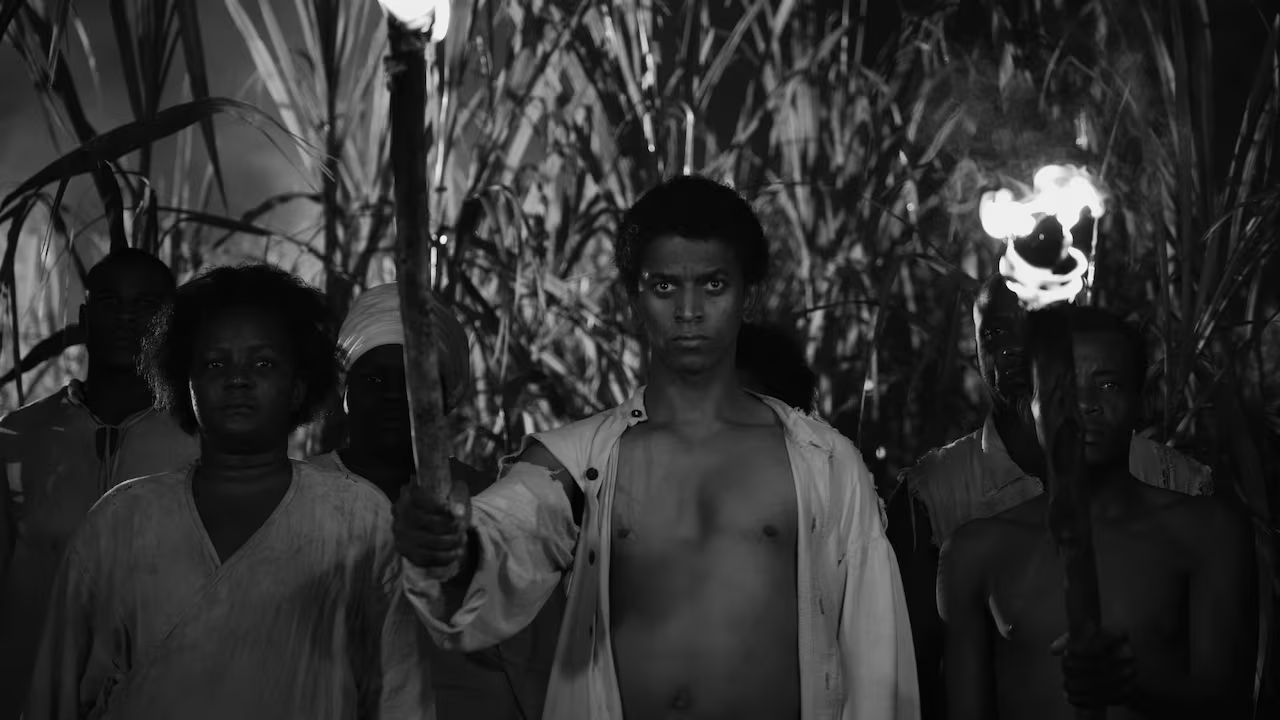
Throughout, she weaves creamy black-and-white imagery of a reenactment of what a zombie film made by Haitians might look like. All this knitted into seven captivating chapters at a tidy 90-minute runtime. The varied perspectives offer endless fuel for thought, and the film’s wall-to-wall information in a semi-popcorn format makes it a joy to watch and rewatch.
Black Zombie was seen during the 2026 Hot Docs film festival. Thank you to GAT PR for the screener.


